Custom Plaques Designed and Installed in Houston
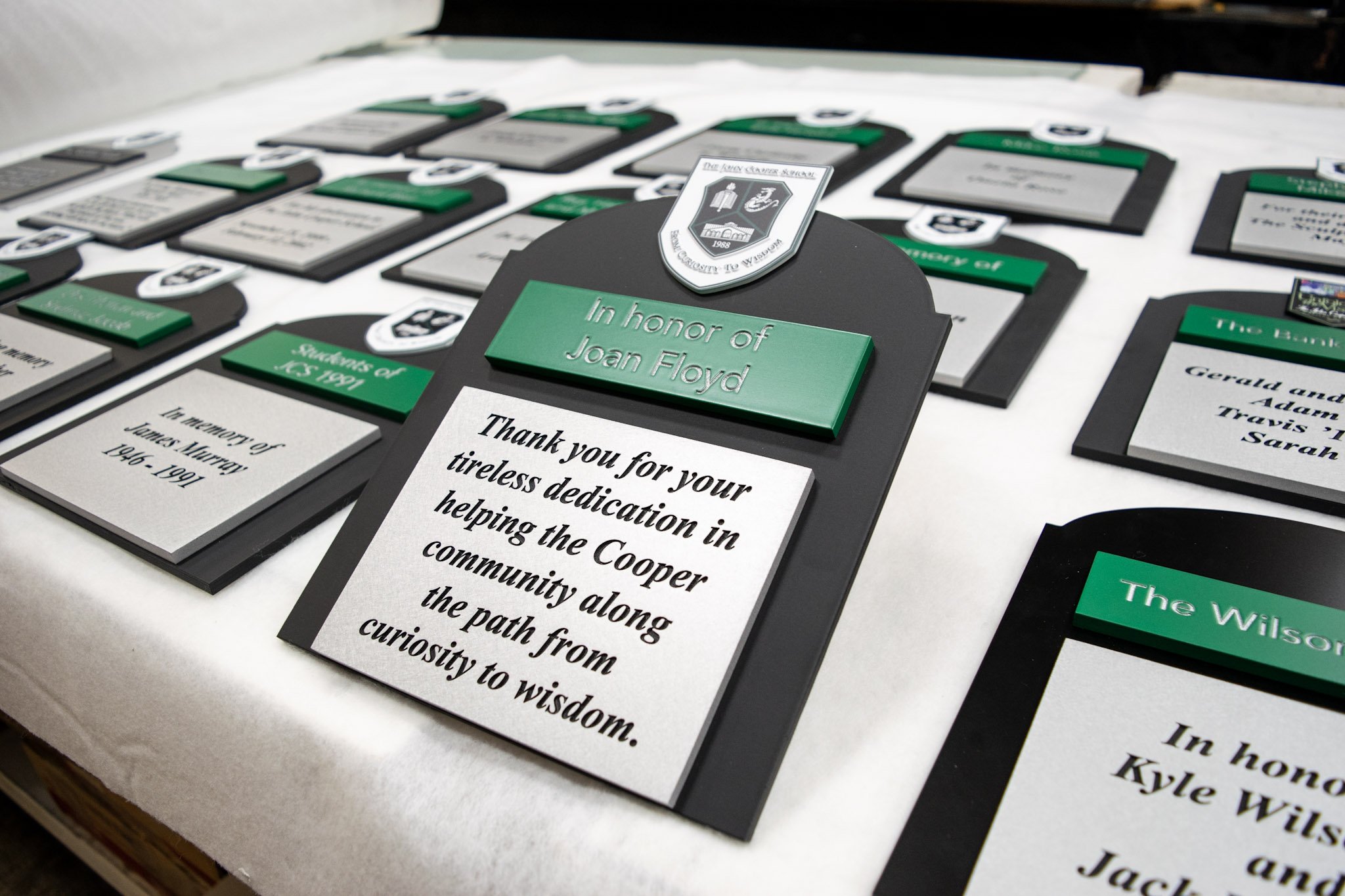
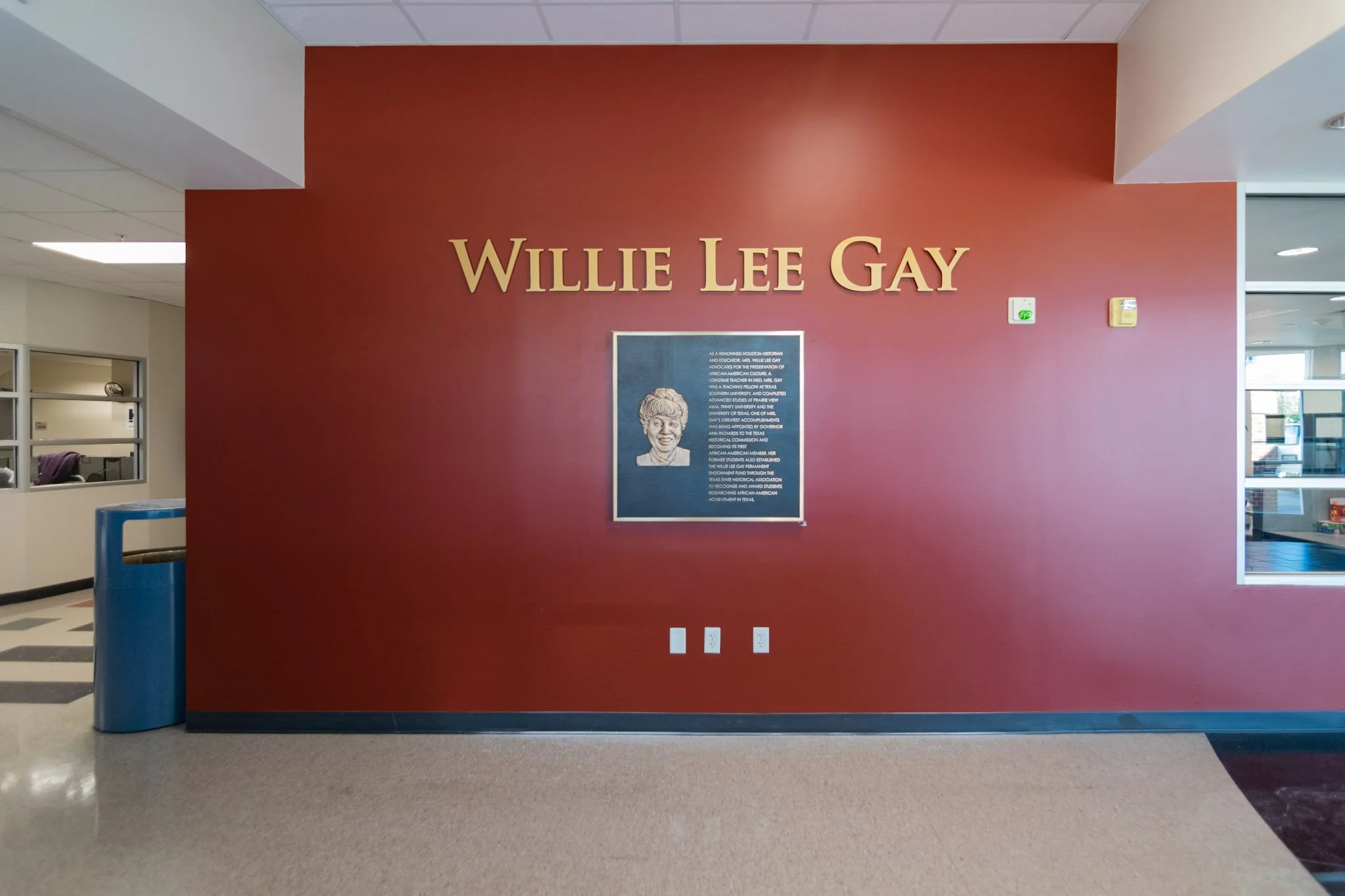
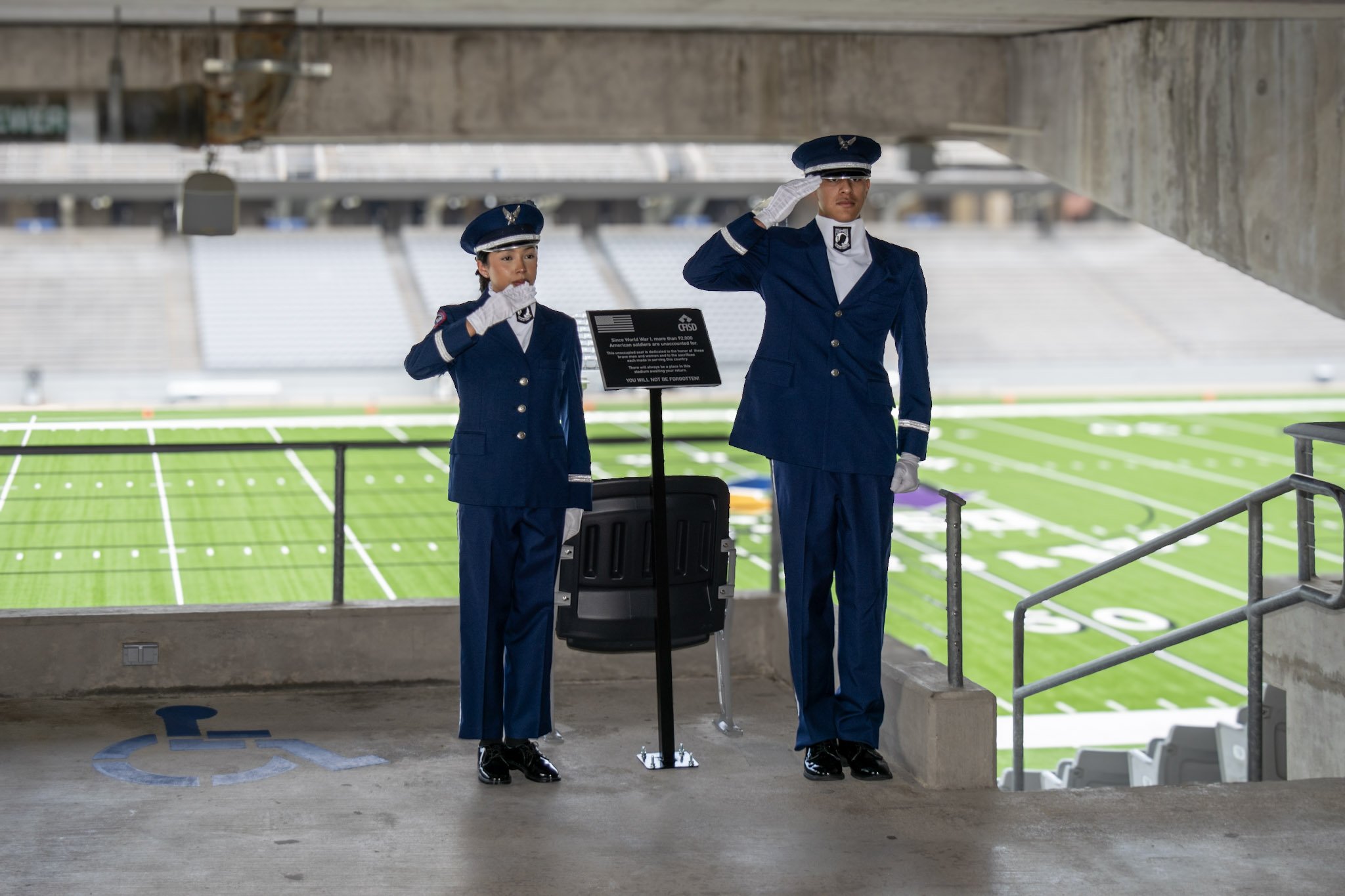
Schools, corporate offices, municipalities, and property managers use custom plaques to dedicate buildings and honor donors. One of the first decisions is whether cast or etched is the right fit, and it changes both the look and the cost. Most buyers don't know which they need. Below you'll find the materials, the fabrication methods, and the plaque types each application calls for. Recent work includes a bronze dedication plaque for Harris County WCID, a bas-relief memorial at Randy Bullard Field, and a commemorative plaque for Champions Golf Club. The memorial for Stark Pipeline Services carries a Marine Corps emblem alongside the company logo.
Send us your design, or tell us what it needs to say and we'll create one. Either way you'll have a material recommendation, size, and budget range before anything goes into production. Or call 713-263-9900.
Metal Plaque For Harris County District 89
Bronze Plaque For Randy Bullard Field
Commemorative Plaque For Champions Golf Club
Memorial Metal Plaque For Stark Pipeline Services
Choosing the Right Plaque Material
Bronze, brass, stainless steel, and aluminum will all last outdoors in Houston for decades. What separates them is how they age and how much upkeep that takes. Bronze and brass change with age. Aluminum and stainless keep much the same appearance over time.
Bronze is the standard for memorials, dedications, and historic buildings. It holds the finest cast detail, from sharp serifs to sculpted portraits and raised seals, and its brown patina protects the metal underneath. Bronze needs almost no upkeep, although it costs the most of the four. Brass reads bright yellow-gold and takes a high polish. Its flat surface holds fine etched lettering and logos, which suits interior donor panels. Outdoors brass tarnishes without a clear coat that needs renewing every few years. Aluminum is the lightest and least expensive, which matters on large metal plaques, while stainless holds its bright silver finish without a coating and suits contemporary buildings.
Not every project calls for metal. Glass and acrylic carry less visual weight, and they work well in donor displays and corporate lobbies. There is no single best material. Bronze earns its premium when the artwork carries a portrait or a raised seal. Brass belongs indoors, aluminum on larger plaques where weight and budget matter, and stainless where a clean silver finish is wanted. Once the material is chosen, the next decision is how the plaque gets made.
Cast vs. Etched Plaques
Metal plaques are made one of two ways: casting or etching. Each can also reproduce portraits, but they do it differently. Casting adds sculpted depth through bas-relief, while photo-etching holds a photographic image on a flat surface.
A cast plaque starts as a pattern, which is the main reason it takes longer. The pattern has to be built and approved before the foundry pours anything. The finished lettering is raised above the background, usually around a sixteenth of an inch, and it catches light from across a lobby. Etching skips the pattern step. Artwork is masked and the surrounding surface is chemically removed, leaving shallower relief.
The comparison is short. Etched metal plaques costs less, moves faster, and reproduces photographic images and fine line work more accurately. Casting holds deeper detail, reads better from a distance, and is the only route to sculpted artwork. Casting also looks dimensional and formal, where etching looks clean and flat. The Randy Bullard memorial uses a cast bas-relief portrait for exactly that reason. If the design is mostly names, dates, and logos, etching is usually the practical choice. If it depends on raised detail or a portrait, casting earns the difference. Once the process is settled, what goes on the plaque is the next thing to work out.
TYPES OF CUSTOM PLAQUES
Click an image below to learn more about each plaque type
BRONZE PLAQUES
Bronze is an alloy of copper and tin, and the oldest plaque material still in everyday use. It carries the sharpest cast detail and the highest price of the metals we work in. That combination is why cast metal plaques for memorials, historic markers, and building plaques are usually specified in bronze rather than lower-cost metals. It is also the heaviest metal we cast, which matters when the wall is drywall rather than masonry.
The surface darkens over the first few years, and that change is protective rather than cosmetic, so the plaque asks almost nothing of whoever owns it. Bronze cast a century ago is still legible on buildings today, which is the real argument for the price. Finishes, patina options, and project photos are on the bronze page.

ALUMINUM PLAQUES
Aluminum works across the full size range. It weighs about one-third what bronze does, which keeps it practical on large panels where an equivalent bronze piece would need a different mounting approach. Smaller plaques come in aluminum just as often. Schools, universities, sports facilities, and municipal buildings order custom metal plaques in aluminum at every size.
Aluminum also runs the cheapest, which often settles it when the budget is fixed. It takes color more readily than any other plaque metal, and anodizing and powder coating open up finishes that bronze and brass cannot hold. That matters if a plaque has to match a brand palette or an existing sign program. What it will not do is hold the depth of a bronze casting, so it suits lettering and logos better than sculpted work.

BRASS PLAQUES
Brass is copper and zinc, and the traditional metal for engraved work. It is softer than bronze, so a cutting tool or an etch line moves through it cleanly and leaves a crisp edge. Engraved metal plaques carrying dense text, long donor lists, or small type usually come out in brass for that reason.
The gold tone reads formal, which is why brass sits well against wood paneling and inside older buildings. It works outdoors too, provided the protective finish gets renewed on schedule. That upkeep is the trade-off for a warm metallic look at a price between bronze and aluminum. A metal engraved plaque in brass costs well under a comparable piece cast in bronze.

BAS RELIEF PLAQUES
Bas-relief is sculpture on a plaque. The subject is modeled so it stands proud of a flat field, most often a face, a building, or a scene, and then cast in metal. Photo-etching can reproduce a portrait, but bas-relief gives the likeness sculpted depth that reads from farther away. Memorial and commemorative work is where it gets chosen, usually when the portrait is meant to be the focal point.
Plaque design works differently here. A sculptor models the artwork first, and that modeling is where most of the cost and the schedule go. Send the best photograph you have, because the finished relief is only as good as the reference it was built from. A sharp, well-lit image taken straight on works best.

PHOTO ETCHED PLAQUES
Photo-etching turns a photograph into metal. The image is converted into an etched version that keeps the shading and detail needed for a recognizable likeness. Faces, buildings, and archival images all reproduce this way, which is why a memorial carrying a photograph of the person is the usual case.
Etching also handles a plaque logo with intricate detail that would blur as a casting. It reproduces thinner strokes and smaller type, because the artwork never has to form in a mold. The result sits flat, so it reads best from a few feet rather than across a room. Choose photo-etching when preserving the photograph matters more than giving the portrait dimensional depth.

ETCHED METAL PLAQUE
Etching is a process, not a material. The same chemical method works on brass, stainless, aluminum, and bronze, so the choice of metal stays open after the process is decided. That flexibility makes it practical for dedications, recognition panels, and identification plaques.
Most carry text rather than images: names, dates, wording, and a logo. Color fill in the etched areas creates contrast against the bare metal. These generally move through production faster than cast work, and they cost less. Plain etching is the right call when there is no image to reproduce.
GLASS PLAQUES
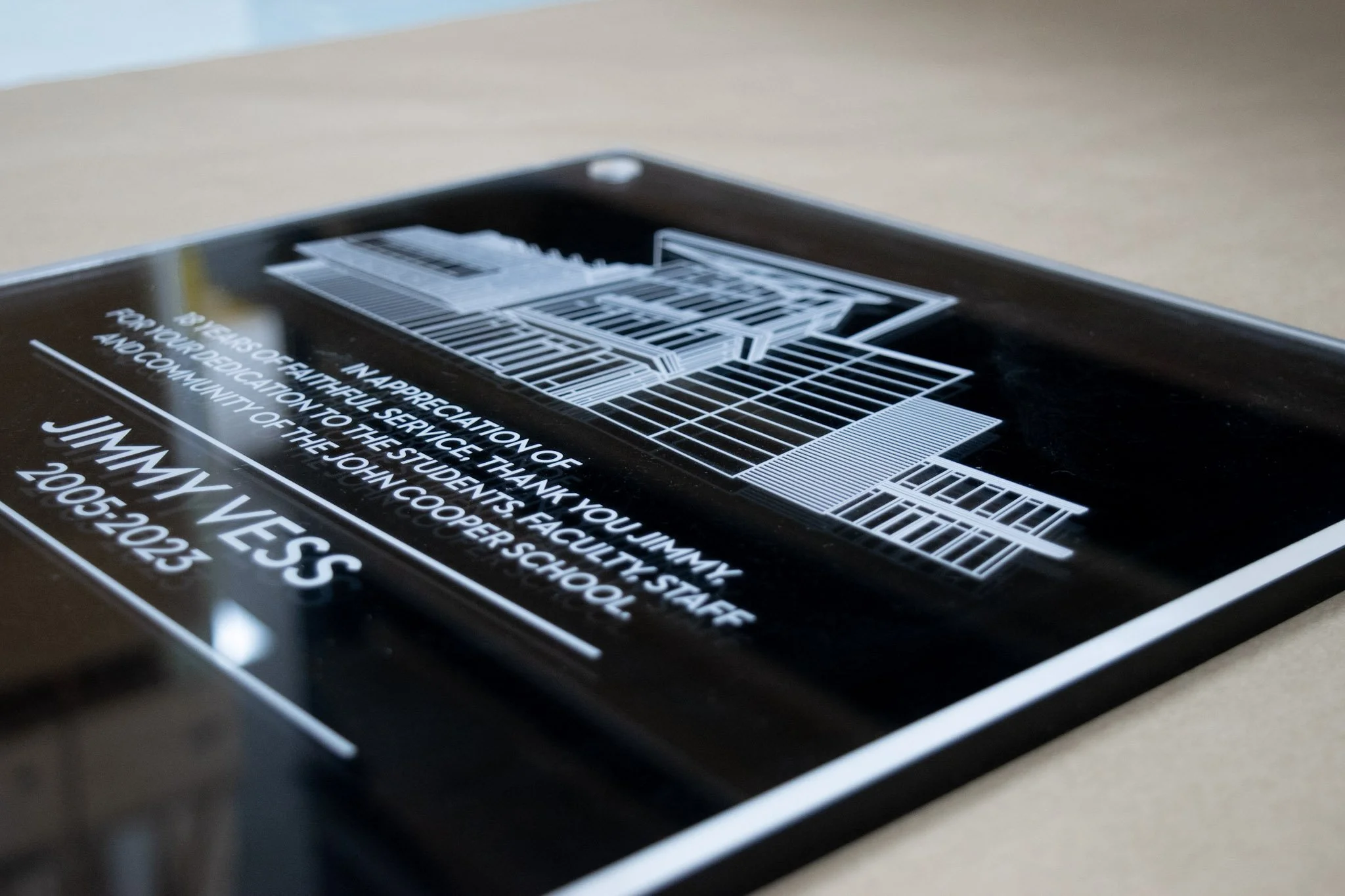
Glass does not read with the visual weight of a metal plaque. Mounted on standoffs, it sits away from the wall and lets the surface behind it show through, so the piece registers as light instead of mass. That is why it turns up in modern lobbies and recognition displays rather than on building exteriors.
Artwork is sandblasted or etched into the panel, and color can be applied behind it so the design shows through from the front. Glass is less forgiving of impact than metal, so it belongs indoors and away from carts, equipment, and high-traffic runs. Choose it when the plaque should feel contemporary and visually light rather than heavy and monumental.
What Clients Say About Their Plaque Projects
EndoQuest
“Saifee signs did both an interior and exterior sign for us. It takes a lot of time, planning, and correspondence to do custom signs but it's worth it. Our employees kept coming out to take pictures of the installation and final product. Everyone is happy with the end results.”

Aspire
“Saifee Signs was great to work with on a recent sign installation in our offices. We have many locations, and each installation has been performed with professionalism. Would recommend for quality sign installation!”

LoneStar Electric Supply
“We've got 35 trucks wrapped with saifee signs and it has been great experience. They are very professional, efficient, excellent customer service and high quality work. Highly recommend 100/100.”

Plaque Design and Artwork
Most customers already have part of what they need. A logo, an old plaque, a photograph, or a rough sketch is enough to start. Send vector artwork if you have it. If you do not, we redraw from a photo or a scan, or design the plaque from scratch. We can also match an existing plaque so a new one does not sit beside it looking newer.
Agency seals, signatures, and portraits reproduce as well. The constraint is not what can be reproduced. It is how much. Most first drafts arrive with too much text. Every line you add shrinks the rest, and a plaque meant to be read from six feet away holds far less than people expect. We usually cut before we add. Fine serifs that look right on a screen can lose definition at plaque size, whichever process you use.
Finish is the other decision. Brushed, polished, oxidized, and patina finishes each hold a different contrast between lettering and background. Contrast is what makes a plaque readable. On cast plaques, color can also be filled into the recessed areas. You see all of it on a proof, and nothing moves into production until you approve it. Size and mounting come next, and both follow from the layout you settle on.
Plaque Sizes and Mounting Methods
How big should it be? Text volume usually decides. A dedication listing twelve names needs more room than one listing three. Commemorative plaques and exterior building dedications generally run larger than interior donor plaques. Reading distance, the clear surface you have, and any pieces already installed nearby settle the rest.
Outdoor plaques take the same construction as interior ones, and only the mounting changes. Brick, stone, and concrete give the most flexibility. Drywall is where projects get complicated, because a cast bronze plaque may need reinforcement behind the sheet, and that is better known before the wall is finished. Glass and metal panels usually take standoffs. Where no wall exists, plaques go on posts, pedestals, or a stone base, which is how most outdoor memorials are set.
When a piece runs heavy for its surface, the fix is a lighter material or a different anchor, not a thinner casting. We review the installation surface before fabrication, so the mounting method suits both the finished plaque and the building it goes on. That leaves budget and lead time.
What Drives Plaque Cost and Lead Time
Size moves the number more than anything else. A larger plaque uses more metal, takes longer to finish, and often needs a heavier mounting system. More text usually does not, since price follows the plate rather than the character count. Casting costs more than etching, for the pattern work. Sculpted relief and portrait work add hand modeling. Site conditions count too, since a wall needing reinforcement adds to the install.
Quantity works in your favor on cast projects. A pattern is built once and used for the whole run, so a donor program ordering twenty pays far less per piece than someone ordering one. Etched metal plaques benefit less, because no pattern cost exists to spread.
Most plaque projects move through five stages: approval, pattern work for cast pieces, fabrication, finishing, and installation. Only the first sits outside our control. Fabrication is predictable. Approval is not, and most projects lose their float while a committee settles on wording. If you already have an installation date, let us know early by calling 713-263-9900. We will work backward from it and settle the choices that affect price before anything is fabricated. Once those decisions are made, the rest of the project runs to plan.
Real Projects That Speak for Themselves
Click the image to view the page
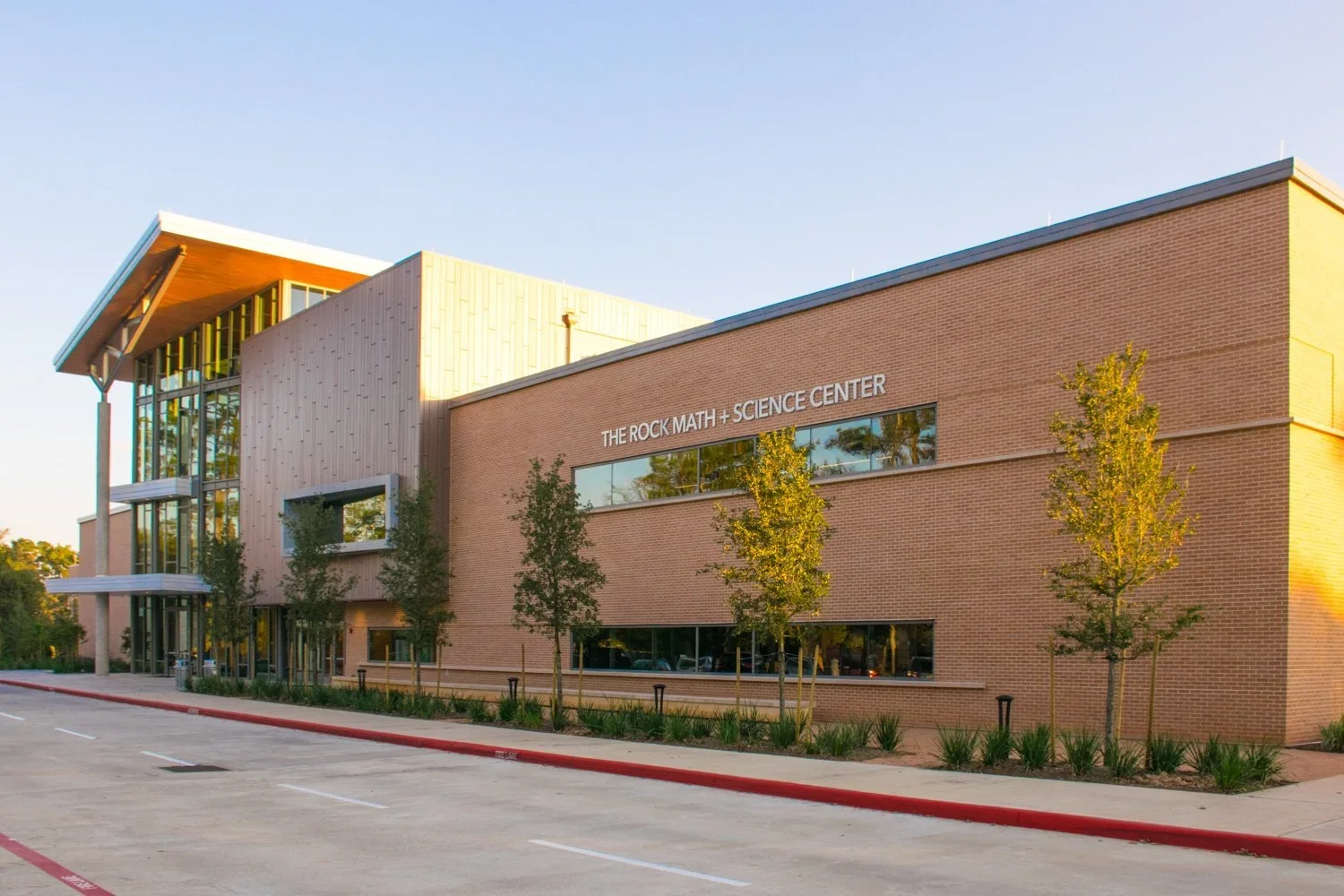
The John Cooper School
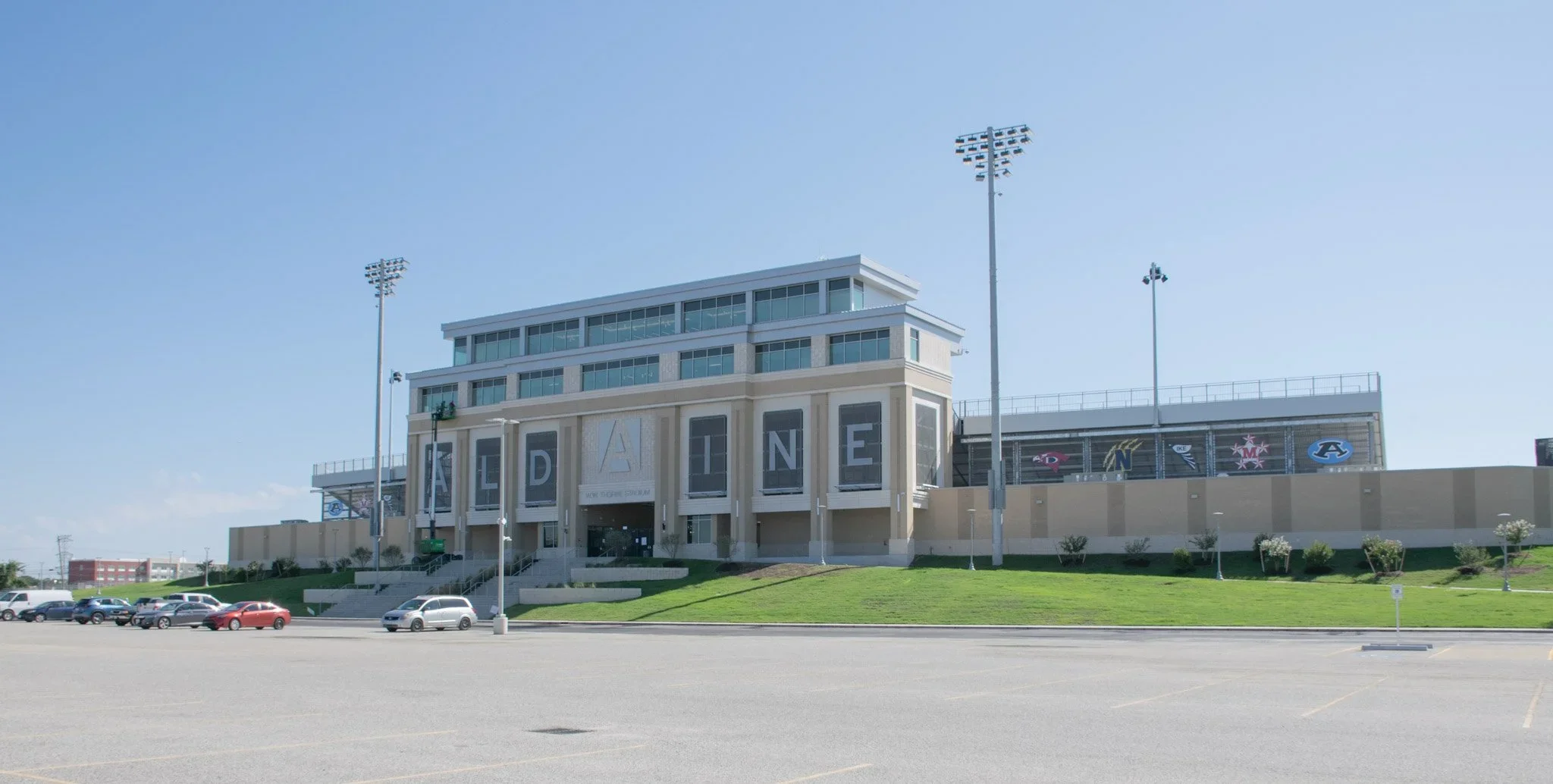
Houston Community College
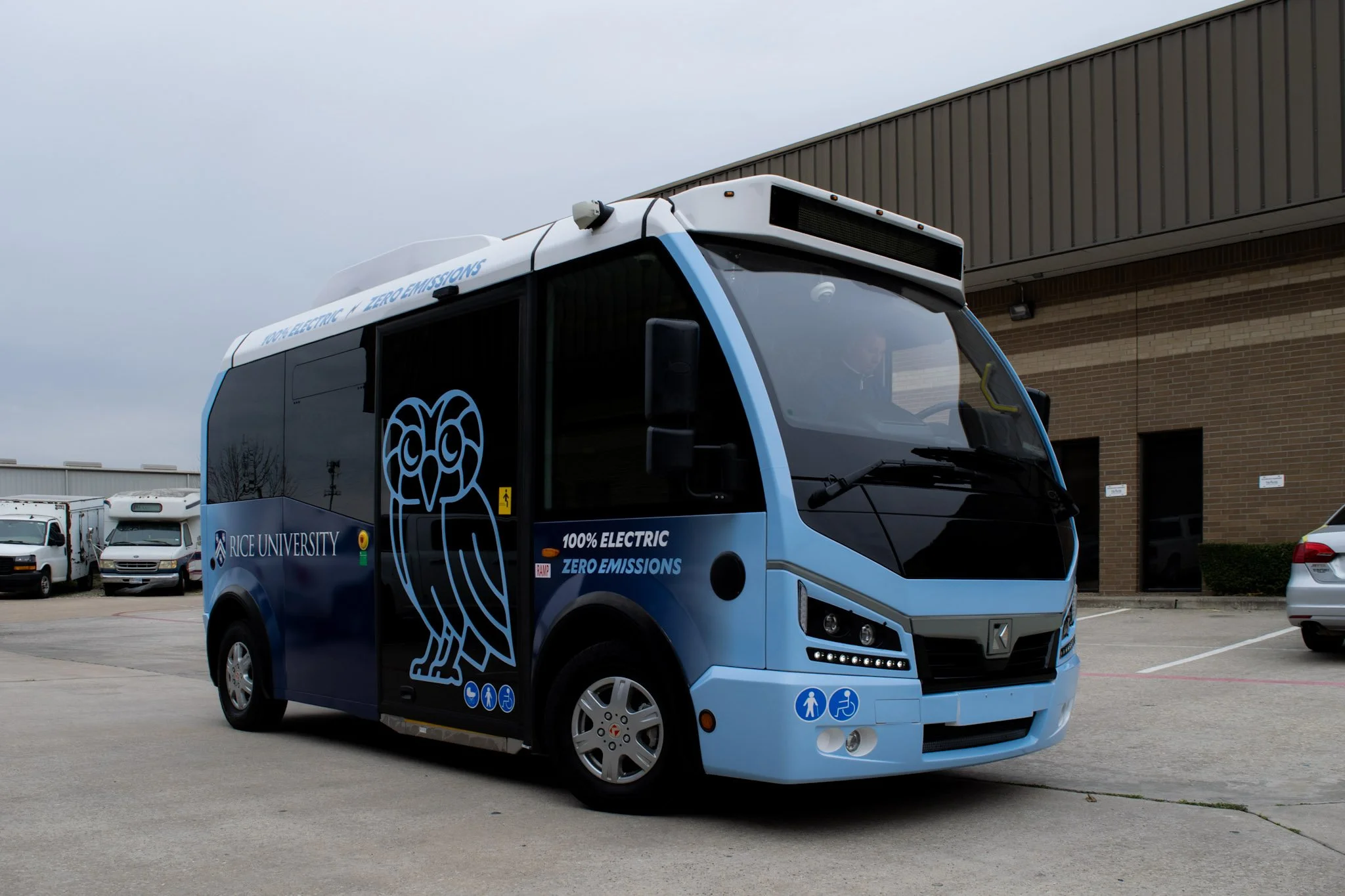
Rice University
Common Questions About Custom Plaques
-
Yes. We fabricate copper plaques when a green patina is part of the look you want. If holding the original color matters more than letting it weather, bronze or brass is the better choice, since both are copper alloys that shift more slowly. Send us a reference image and we will recommend the material and finish that gets closest to it.
-
We do. Installation covers Texas, including Dallas, Fort Worth, Austin, and San Antonio. Beyond that we ship nationwide with the mounting hardware and a drilling template, so a local contractor can set it. Give us the address and we can confirm which applies before you order.
-
Usually, yes. Tenants need the landlord or property manager to sign off. Organizations that own their buildings normally still have an internal approval step. Multi-tenant buildings often set standards for size, material, and placement in shared areas. Historic districts and designated historic buildings may require a preservation review. Send us those requirements and they go into the design. Reworking a plaque after it is rejected costs far more than asking first.
-
Yes, and it comes up most on donor walls and second-building dedications. A plaque installed ten years ago no longer looks the way it did new. A fresh one will usually appear brighter until it naturally weathers. We match the finish as it stands today rather than as it started. Send a photo, the dimensions, and a close-up of the lettering, so the pair ends up reading as a set.
-
Once a plaque is fabricated, the wording cannot be changed. Cast lettering is formed in the metal itself and etched lettering is cut into the surface, so the text is fixed either way. A correction means a new plaque. That is why the proof stage carries more weight here than on most sign work. Read every name, date, spelling, and title before approving it.
-
Sometimes, but only if the plaque is designed for it. A cast plaque cannot have a name added once it has been poured. Donor recognition programs and named-gift walls work better as individual plates on a shared frame, which lets you add to it as the list grows. If more names are likely, tell us the expected count now and the layout can hold room for them. Retrofitting space that was never designed in usually means starting over.