
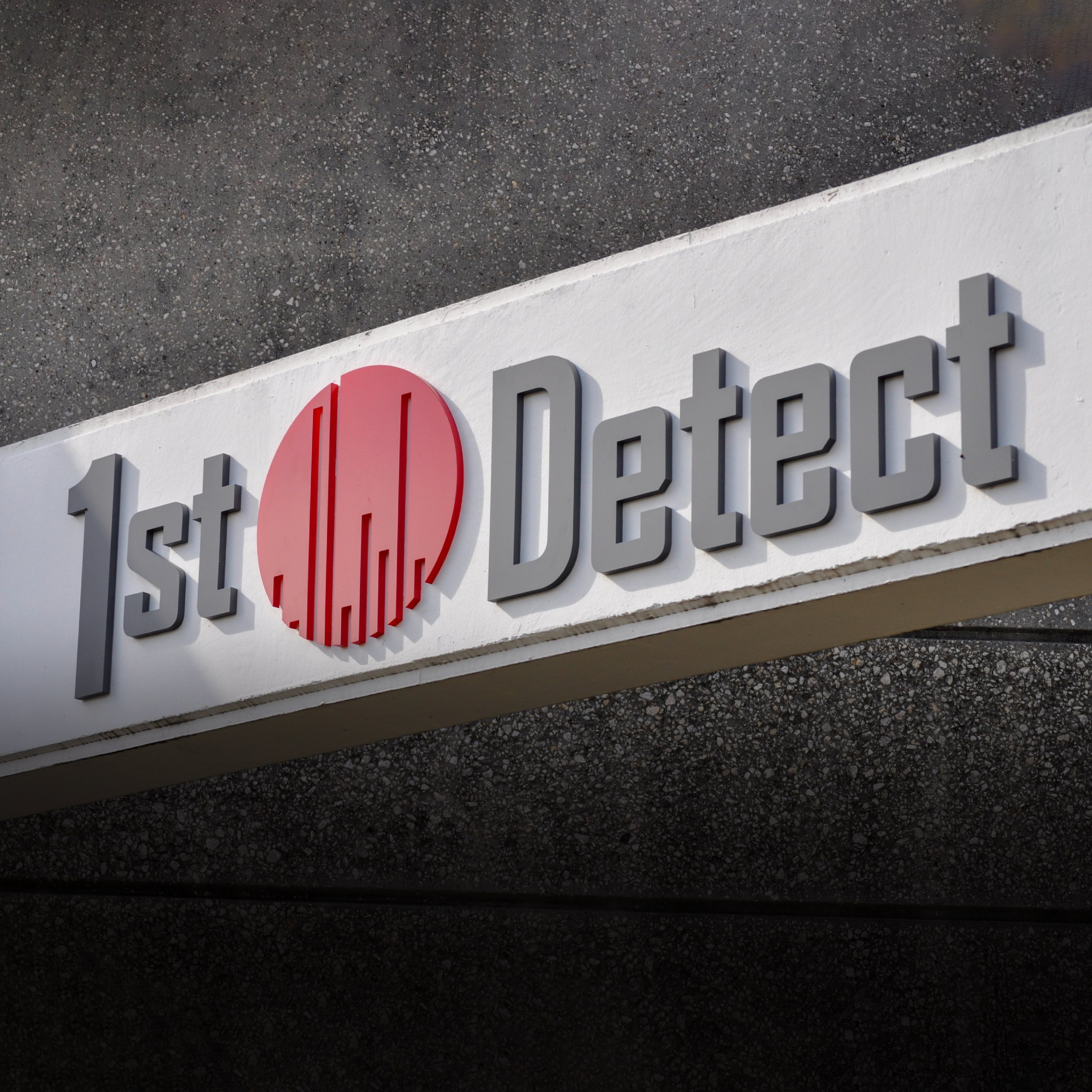
Custom Outdoor Building Signs in Houston
Whether you're developing a new building, renovating an existing property, or replacing outdated signage, outdoor building signs help customers, employees, and visitors easily identify your location while reflecting your organization's brand. From office buildings and schools to healthcare facilities, industrial properties, and municipal buildings, the right signage makes your property easier to identify while presenting a professional image.
At Saifee Signs, we coordinate every stage of your signage project, including design, permitting, fabrication, and installation, giving you a single point of contact from start to finish. Our experience includes outdoor building signage for organizations such as Ivy at The Galleria, Pandell, Little York Fire Station, and HRS. Explore the outdoor building sign options below to find the right solution for your property and project.
Monument Sign For The Ivy At The Galleria
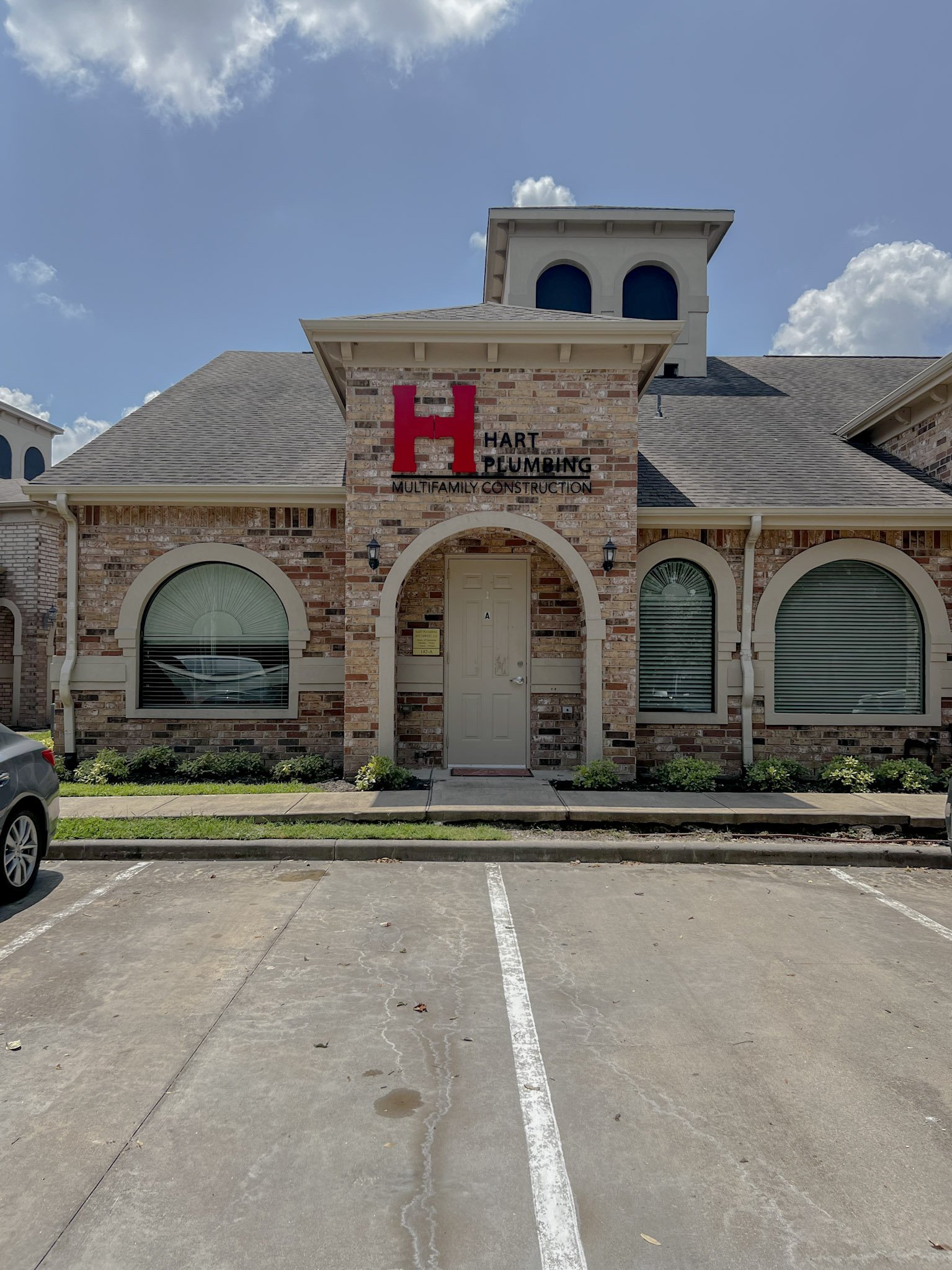
Backplated Wall Sign For Pandell
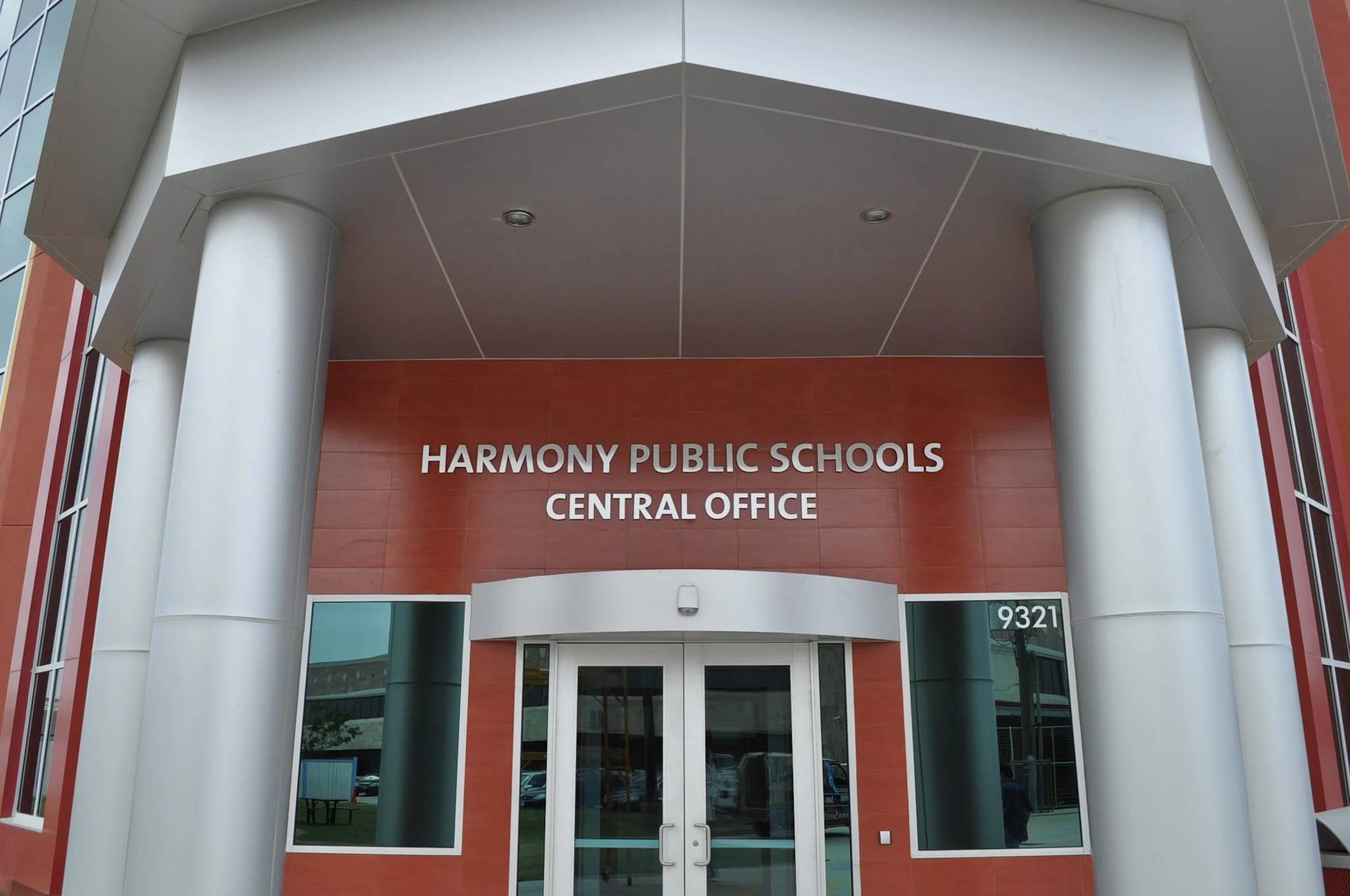
Exterior Dimensional Wall Letters For Fire Department
Directional Pole Sign For HRS
How We Select Materials for Outdoor Building Signs
Choosing the right materials is one of the most important parts of any outdoor building signage project. Because outdoor signs remain exposed to Houston's heat, humidity, UV exposure, and changing weather conditions year-round, selecting the right materials from the beginning helps support long-term performance while reducing future maintenance.
Every project has different requirements. Rather than taking a one-size-fits-all approach, we evaluate each sign's design, installation environment, structural requirements, and intended application before recommending the most appropriate material combination. Commercial outdoor signs are commonly manufactured using materials such as aluminum, acrylic, and steel, with each selected based on the specific needs of the project. This project-specific approach helps ensure the completed sign is appropriate for its location, application, and long-term performance requirements.
Permitting for Outdoor Building Signs
Many outdoor building signs require permits before they can be installed, depending on the type of sign, its size, and the municipality or jurisdiction where it will be installed. Requirements can also vary between property owners, shopping centers, and office parks, with regulations covering factors such as sign dimensions, placement, illumination, structural design, and installation.
As part of our project planning process, we review permitting requirements, coordinate permit submissions with the appropriate municipalities, property managers, and other stakeholders, and help ensure project documentation aligns with applicable signage regulations. By addressing permitting requirements early in the planning process, we help reduce delays and keep your outdoor building signage project on schedule from design through installation.
RANGE OF OUR OUTDOOR SIGNAGE
Click an image below to learn more about each signage type
MONUMENT SIGNS
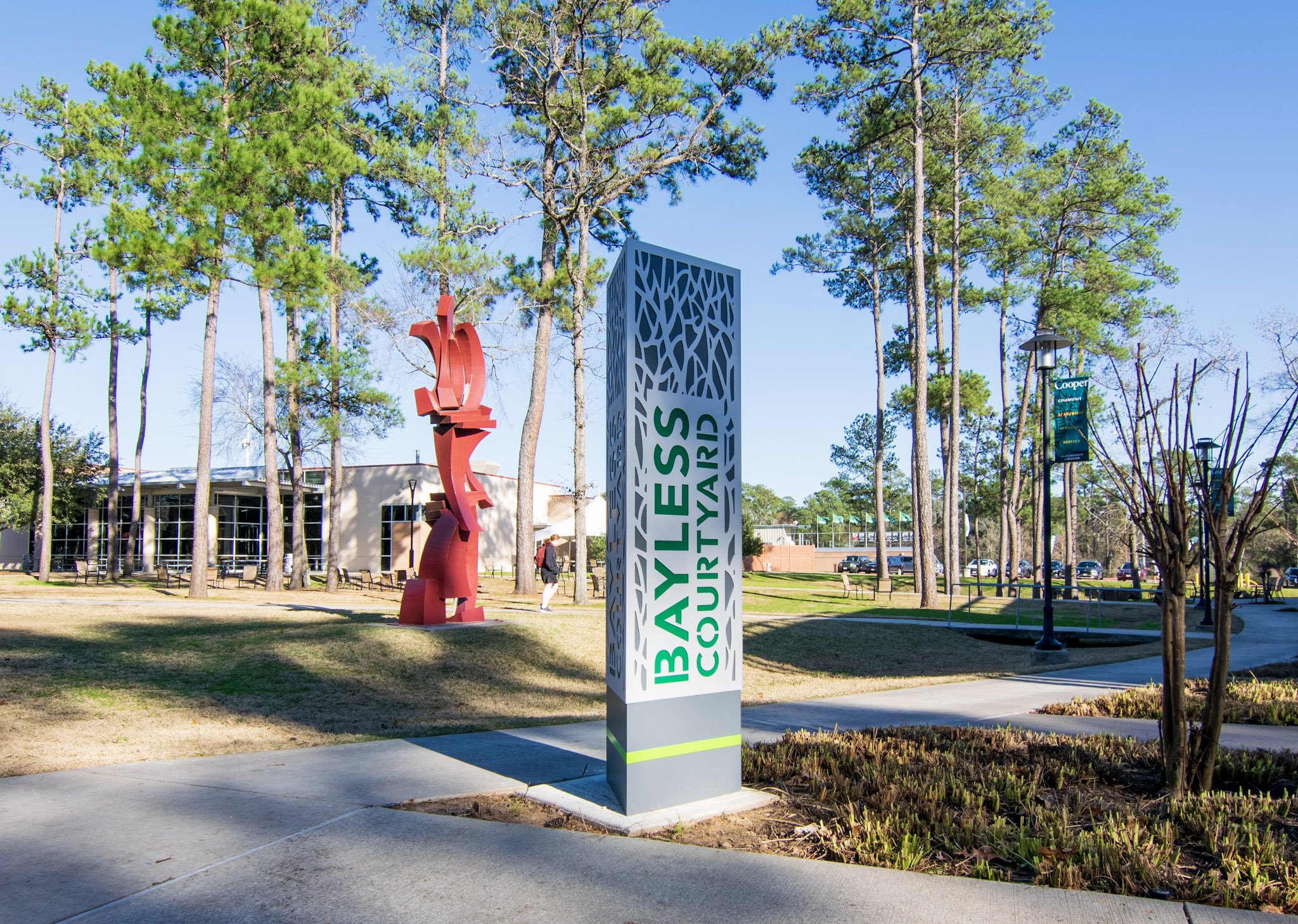
Monument signs provide highly visible, ground-level identification for businesses, schools, apartment communities, neighborhoods, and other organizations. Positioned near entrances, they help visitors locate your property while creating a professional and welcoming first impression.
Constructed from materials such as stone, brick, metal, or acrylic, monument signs can be customized with dimensional lettering, illumination, and branding elements to complement your property's architecture and identity. Their durability, visibility, and versatility make them a popular choice for organizations seeking long-term exterior identification.

BACKPLATED WALL SIGNS
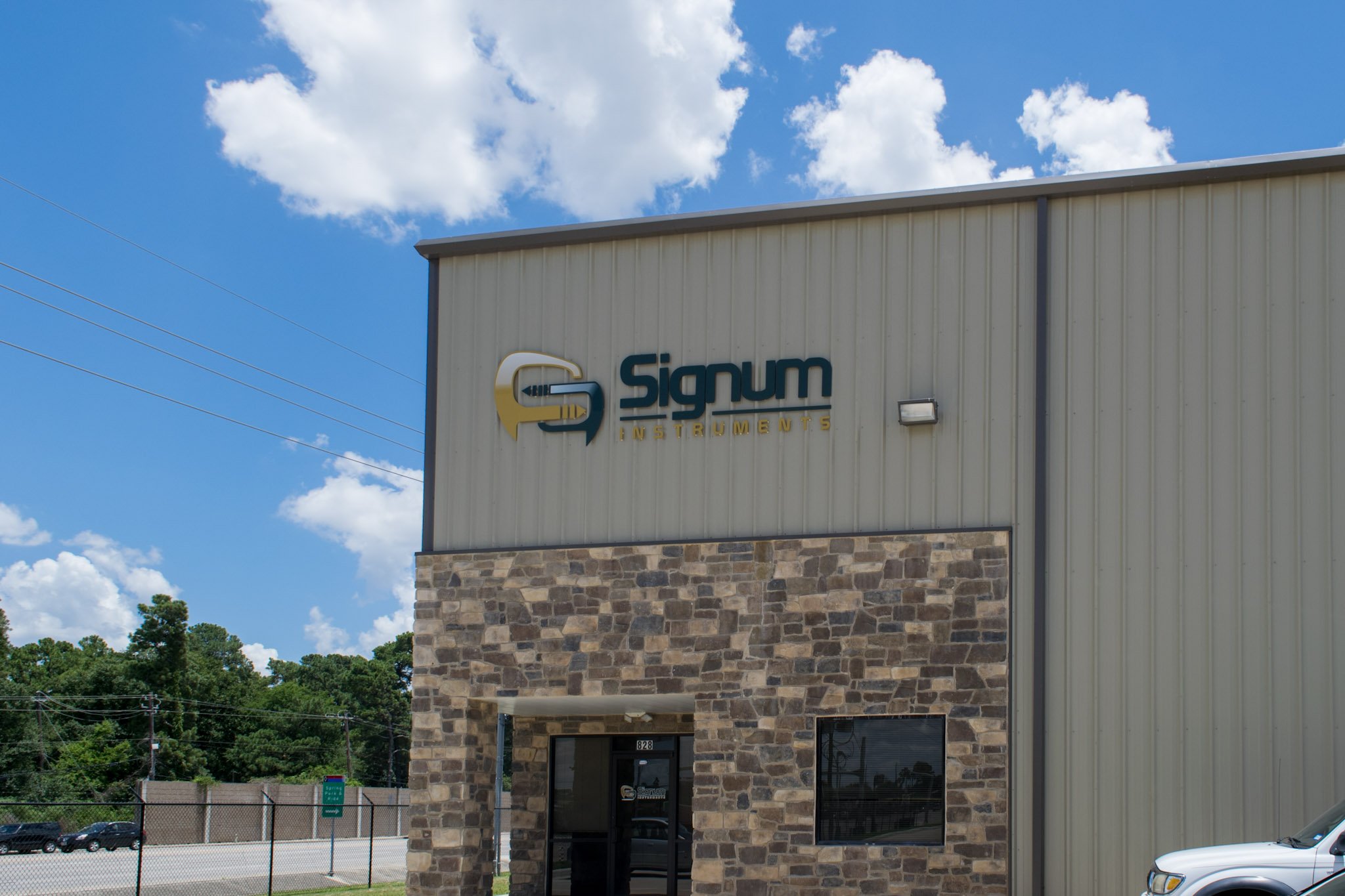
Backplated wall signs combine dimensional lettering or logos with a solid backing panel to create a clean, architectural appearance for commercial buildings, schools, and other organizations. The backing, typically fabricated from materials such as aluminum, acrylic, or stainless steel, adds contrast and helps logos and lettering stand out while complementing your property's branding.
Available in a variety of finishes and mounting styles, backplated wall signs provide a polished, professional look while maintaining excellent visibility outdoors. Their versatility makes them a popular choice for businesses and organizations looking to enhance their building's exterior with signage that is both functional and visually distinctive.

MOUNTED METAL LETTERS
Mounted metal letters create a clean, architectural appearance by displaying individual letters directly on a building's exterior. Commonly fabricated from aluminum, stainless steel, bronze, or brass, they are a popular choice for corporate offices, schools, healthcare facilities, and commercial properties seeking a timeless, professional look.
Available in a variety of finishes and mounting styles, metal letters can be customized to complement virtually any building design. Their durability, low maintenance requirements, and ability to be illuminated or non-illuminated make them a versatile solution for long-term exterior identification.

MOUNTED ACRYLIC LETTERS
Mounted acrylic letters provide a clean, modern appearance for businesses, schools, healthcare facilities, and other commercial properties. Precision-cut from durable acrylic, they can be customized in a wide range of colors, thicknesses, and mounting styles to complement your building's branding and architecture.
Available with flush or standoff mounting, acrylic letters create dimensional signage while offering a cost-effective alternative to many metal letter options. When painted, they can be finished with automotive-grade, weather-resistant coatings for long-lasting outdoor performance. Their versatility, low maintenance requirements, and customizable finishes make them a popular choice for exterior building identification.
DIGITAL SIGNS
Digital signs combine permanent exterior signage with the flexibility to update messages whenever needed, making them a popular choice for businesses, schools, municipalities, churches, and other organizations. Using bright LED displays, they provide excellent visibility throughout the day and night while allowing promotions, upcoming events, public announcements, and other time-sensitive information to be updated quickly and efficiently.
Ideal for properties that communicate changing information on a regular basis, digital signs eliminate the need to replace printed graphics while maintaining a professional, high-impact appearance. Their versatility and ease of updating make them an effective solution for organizations looking to keep visitors informed with current, relevant messaging.
DIRECTIONAL SIGNS
Exterior directional signs help visitors navigate schools, hospitals, office campuses, commercial properties, apartment communities, parks, and other large facilities with confidence. By clearly identifying buildings, entrances, parking areas, and key destinations, they improve wayfinding and reduce confusion for first-time visitors and everyday users alike.
Typically fabricated from durable materials such as aluminum and stainless steel, exterior directional signs are built to withstand outdoor conditions while maintaining clear visibility and readability. Their versatility makes them an essential part of any property that needs to guide visitors safely and efficiently throughout the site.
Our Top Sellers
Enjoy our full suite of signs. You can start with one and easily expand as your needs grow.

Interior Mounted Letters
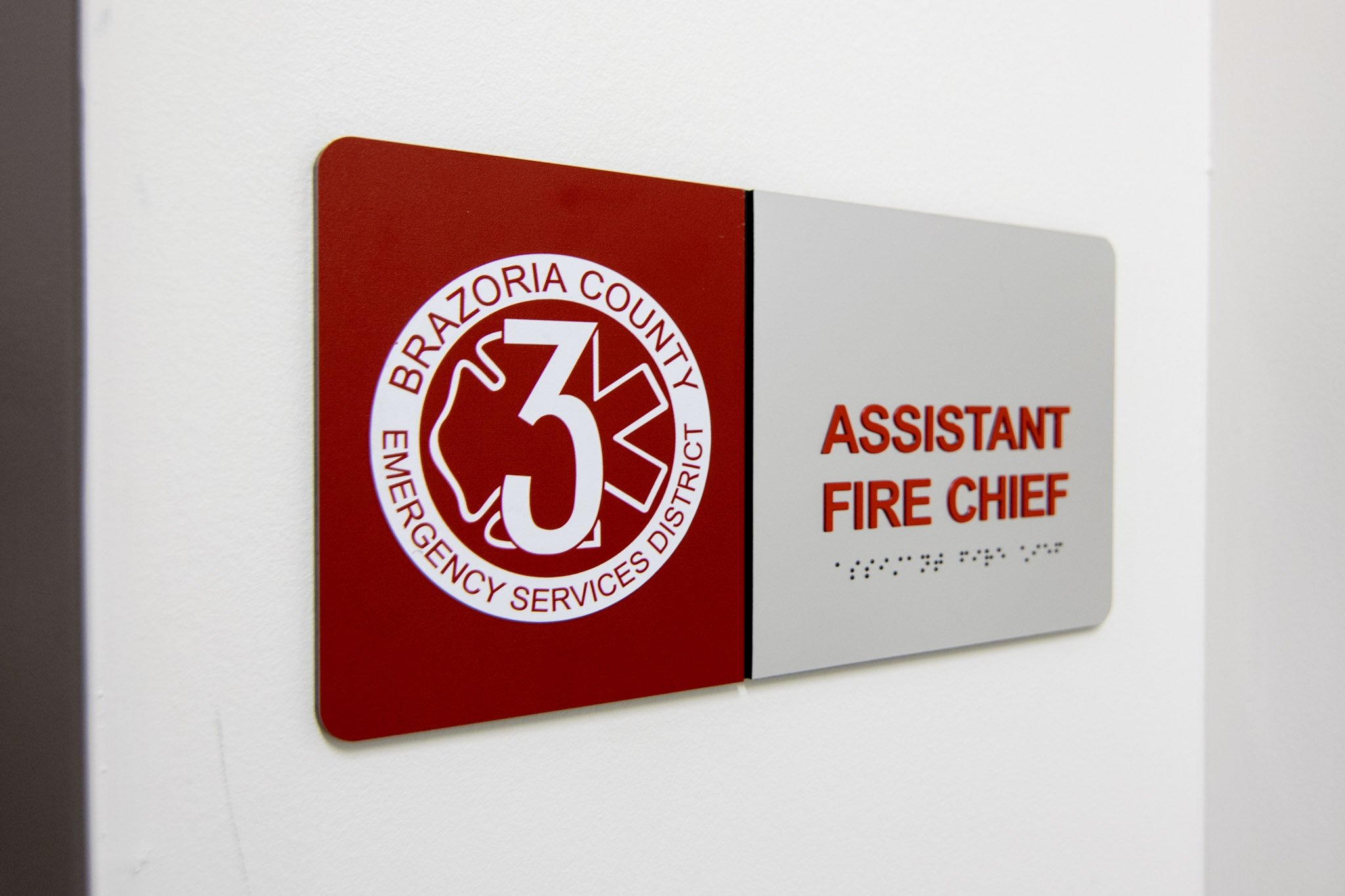
ADA Signs

Van Wraps

Bronze Plaques

Interior Lighted Signs

Truck Wraps

Memorial Plaques

Donor Recognition Walls
Illuminated & Channel Letter Signs
For businesses that operate after dark or need their building to remain easy to identify at all hours, illuminated building signs improve visibility while maintaining a clean, professional appearance during both the day and night. Channel letter signs are one of the most common illuminated solutions, featuring individually fabricated letters that create a polished appearance during the day and enhanced visibility after dark. Depending on the project, illuminated building signage may also include cabinet signs, halo-lit letters, or other lighting solutions using modern LED illumination, which provides consistent lighting while helping reduce energy consumption and maintenance compared to older lighting technologies.
The right solution depends on factors such as viewing distance, the building's architecture, operating hours, and how the property is approached by customers and visitors. We evaluate these considerations before recommending the sign type and lighting solution best suited for your project, helping ensure the finished sign provides the level of visibility the property requires, remains easy to identify after dark, and reinforces your organization's presence around the clock.
Professional Installation for Outdoor Building Signs
Outdoor building sign installation is different for every project. The installation process depends on factors such as the type of sign, the building's construction, mounting requirements, site accessibility, and local regulations. Planning these details before installation helps identify site access requirements, appropriate mounting methods, and the equipment needed to complete the installation according to the approved plans.
As part of our project management process, we coordinate every aspect of the installation based on your property's unique requirements. This may include scheduling around business operations, coordinating with property managers, general contractors, and other stakeholders, arranging access equipment when required, and verifying site conditions before installation begins. Because every property presents different installation challenges, coordinating these details in advance helps minimize disruption and keep your outdoor building signage project moving smoothly from fabrication to final installation.
Frequently Asked Questions
-
Choose an outdoor building sign based on your property's visibility, how people approach the building, and what the sign needs to accomplish. The best sign is the one that helps visitors find your business easily while supporting the way your property is used every day.
One of the first things we evaluate is where someone should recognize your business for the first time. That is not always at the building itself. Some properties need to be identified from the road before drivers decide where to turn, while others need clear building identification or directional signage once visitors have entered the property. Understanding those decision points helps determine the right signage solution.
We also consider practical factors that influence how well the signage will perform over time, including:
Visibility from surrounding roads
How drivers and pedestrians approach the property
Landscaping or nearby buildings that may limit visibility
The property's layout and future growth plans
Local regulations and property requirements
Many commercial properties benefit from more than one sign. A monument sign may identify the property from the street, building signage confirms visitors have reached the correct destination, and directional signs guide them to the right entrance. Looking at the property as a complete signage system usually creates a better experience than selecting each sign individually.
The right outdoor building sign is not simply the one that looks the best. It is the one that makes your business easier to find, supports your brand, and continues to meet your needs as your property changes over time.
-
The cost of a custom outdoor building sign depends on the scope of the project, not just the sign itself. While the size and type of sign are important, factors such as the materials used, installation conditions, permitting, engineering, and site requirements often have just as much influence on the final cost.
One of the biggest misconceptions is that two signs with similar dimensions should cost about the same. In reality, they can be very different projects. A sign installed on an easily accessible storefront may require minimal preparation, while a similar sign on a multi-story office building could involve specialized equipment, engineering, electrical work, or additional safety requirements. The sign may look similar when it's finished, but the work required to get it there can be completely different.
When preparing an estimate, we look at the entire project, not just the sign. Some of the biggest factors that affect pricing include:
Size and complexity
Materials
Illumination and electrical requirements
Installation height and site accessibility
Engineering, permitting, and code requirements
The number of signs in the project
Many commercial properties also need more than one sign. Planning building identification, monument signs, directional signs, and other exterior signage as one coordinated project often leads to a more consistent result and can simplify scheduling, permitting, and installation.
An accurate estimate starts with understanding the property and the project's requirements. That allows the budget to reflect the work actually involved instead of relying on a broad price range that may have little to do with your project.
-
Yes, in many cases an existing outdoor building sign can be updated instead of being completely replaced. The best option depends on the condition of the existing sign, the changes you want to make, and whether the existing sign structure is in good condition and suitable for the proposed update.
Many property owners are surprised to learn that updating a business name or logo doesn't always mean replacing the entire sign. If the existing structure is still in good condition, components such as faces, panels, lettering, graphics, or lighting can often be updated without replacing the entire sign. This can be a practical solution for businesses that are rebranding, updating tenant information, or refreshing the appearance of their property.
Before recommending an update, it's important to evaluate several factors, including:
The overall condition of the existing sign
Structural integrity and long-term durability
Electrical components, if the sign is illuminated
Local code or permitting requirements
Whether the existing sign can support your long-term branding goals
In some cases, updating an existing sign is the most practical and cost-effective solution. In others, replacing the sign may provide better long-term value when the existing structure, materials, or electrical components have reached the end of their service life.
The best way to determine the right approach is to evaluate the existing sign and understand your long-term goals for the property. That allows the recommendation to reflect the condition of the sign and the work actually needed, rather than assuming every project requires a complete replacement.
-
The timeline for an outdoor building sign project depends on the scope of the work, the approval process, and the project's specific requirements. While every project is different, keeping the project organized from the beginning is one of the biggest factors in completing it as efficiently as possible.
Many people assume fabrication is the longest part of a commercial sign project. In reality, that's often not the case. Waiting for permit approvals, coordinating design revisions, engineering reviews, material availability, or scheduling installation can take just as much time as building the sign itself. The projects that stay on schedule aren't always the simplest. They're usually the ones where every stage is planned and managed proactively from the start.
The overall timeline may be influenced by factors such as:
Project size and complexity
Design revisions and client approvals
Engineering requirements
Permit approval timelines
Material availability
Fabrication requirements
Coordinating the installation schedule
Because so many steps happen before fabrication begins, managing the entire process is just as important as manufacturing the sign. When communication stays consistent, approvals move quickly, and every phase is coordinated from design through installation, projects can often be completed more efficiently without compromising quality or compliance.
-
Not always, but many commercial properties benefit from more than one outdoor building sign. The right solution depends on the property's size, layout, visibility, and how people interact with the site from the moment they arrive.
Many people think of outdoor signage as a single sign on a building. In reality, visitors experience an entire property, not just one sign. Someone driving by first needs to recognize the property, then identify the correct entrance, and finally find their destination once they're on site. Trying to make one sign accomplish every task often leads to compromises. A sign that's designed to be visible from the road usually can't provide the detailed information someone needs once they're standing at the entrance.
Instead of asking how many signs a property should have, it's more helpful to ask what information visitors need at each stage of their journey. Depending on the property, that may include signs that:
Help people identify the property from the road
Direct visitors to the correct entrance or parking area
Guide employees, customers, or guests once they're on site
Reinforce a consistent and professional appearance across the property
Planning signage as one coordinated system often creates a better experience than adding individual signs over time. Each sign serves a different purpose, but together they help people navigate the property naturally while presenting a consistent image of the business or organization.
The best approach is to evaluate the property as a whole before deciding what type of signage is needed. Looking at the complete site often reveals opportunities to improve visibility, navigation, and the overall visitor experience while ensuring every sign works together as part of a well-planned signage system.
-
The most important question isn't whether your outdoor building sign is still standing. It's whether it's still accomplishing the job it was designed to do. A sign can be structurally sound and still become less effective if it no longer attracts attention, represents your business, or helps people find your property as easily as it should.
Businesses, properties, and the areas around them change over time. A sign that worked well several years ago may no longer reflect your current brand, provide the same level of visibility, or support the way visitors navigate the property today. The effectiveness of a sign depends on how well it performs in its current environment, not simply how long it has been there.
It may be time to evaluate your outdoor signage if:
Customers or visitors have difficulty locating the property
Your branding, logo, or business identity has changed
Landscaping or nearby development has reduced visibility
Changes to the property have created new entrances, traffic patterns, or destinations
Illumination, readability, or overall visibility no longer meets your needs
A sign doesn't always need to be replaced to become effective again. In many cases, updating graphics, improving illumination, increasing visibility, or making targeted improvements can extend its usefulness. Evaluating the entire property instead of focusing on a single sign often reveals opportunities to improve the overall visitor experience while making the most of your existing signage investment.
The goal isn't to determine whether a sign is old. It's to determine whether it still supports the business and the people who visit it today.
-
The biggest mistakes in commercial signage usually aren't made during fabrication. They're made long before the sign is ever built. Most challenges can be traced back to planning decisions that happen too late, after the building, parking layout, landscaping, entrances, or other site elements have already been finalized. By that point, the sign often has to adapt to decisions that were never made with visibility, navigation, or long-term functionality in mind.
Good signage planning starts by understanding how people will experience the property, not simply where a sign can be installed. Visitors need to recognize the property, find the correct entrance, and navigate the site with confidence. Planning for that journey early creates far more flexibility than trying to solve those challenges after construction or renovations are nearly complete.
Some of the most common planning mistakes include:
Waiting until late in a construction or renovation project to begin planning signage
Trying to make one sign perform every function instead of giving each sign a clear purpose
Focusing on appearance without considering visibility and readability
Planning only for immediate needs instead of future expansion or property changes
Treating signs as individual purchases instead of planning the property's signage as one coordinated system
The advantage of early planning isn't simply avoiding mistakes. It gives you more options. Sign placement, visibility, permitting, future expansion, and visitor navigation can all be considered together before they become constraints. That often leads to a more effective signage system with fewer compromises throughout the project.









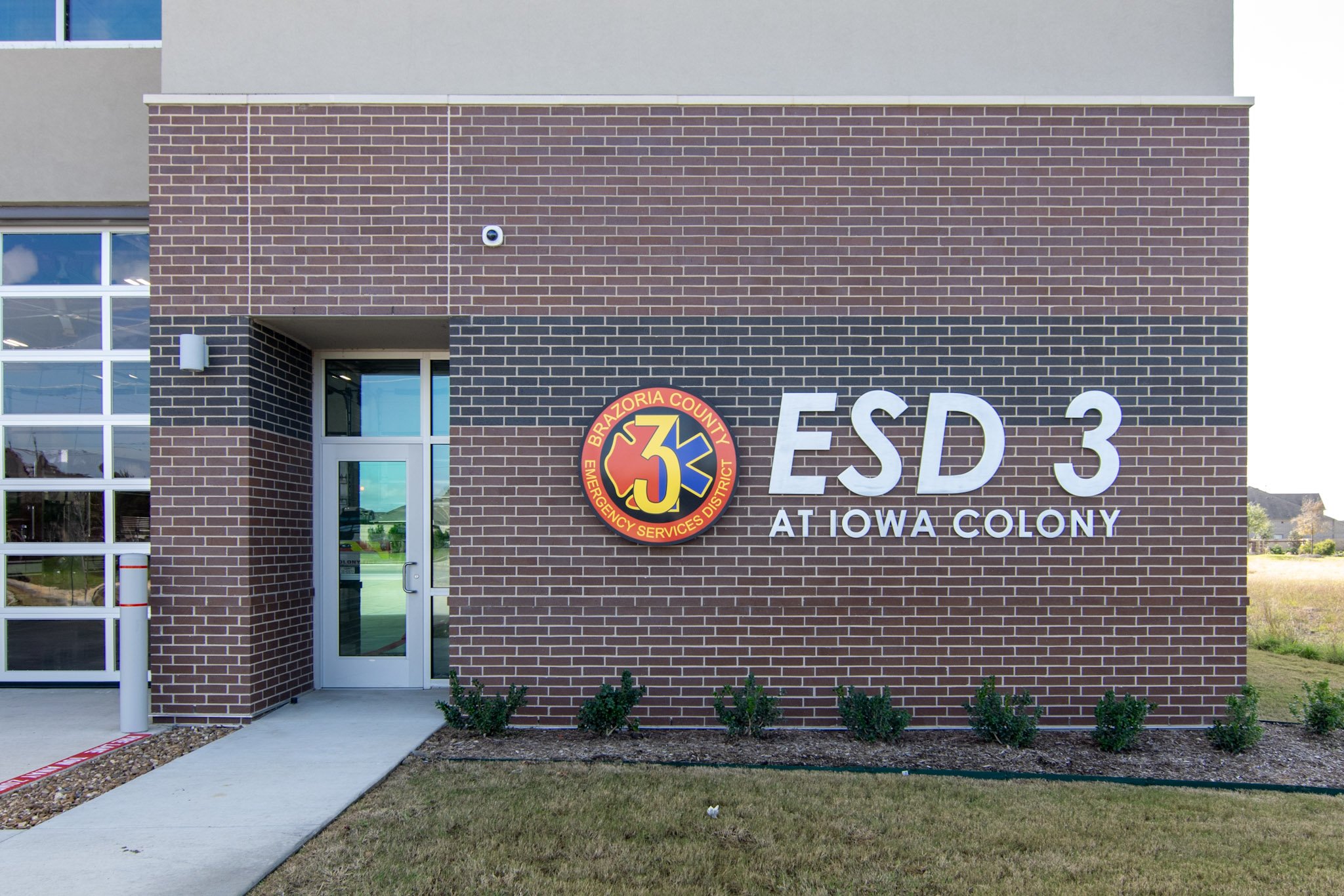


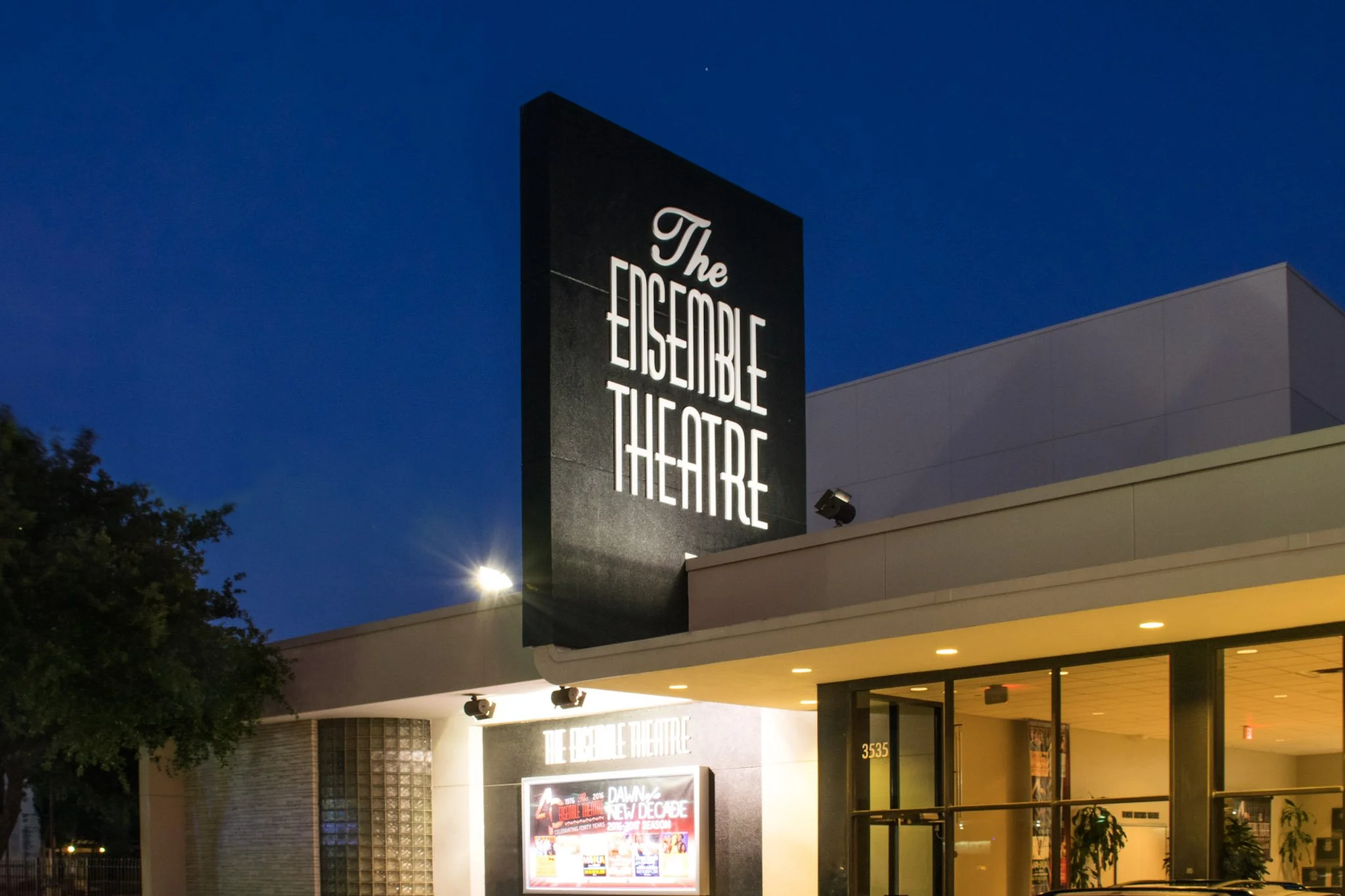


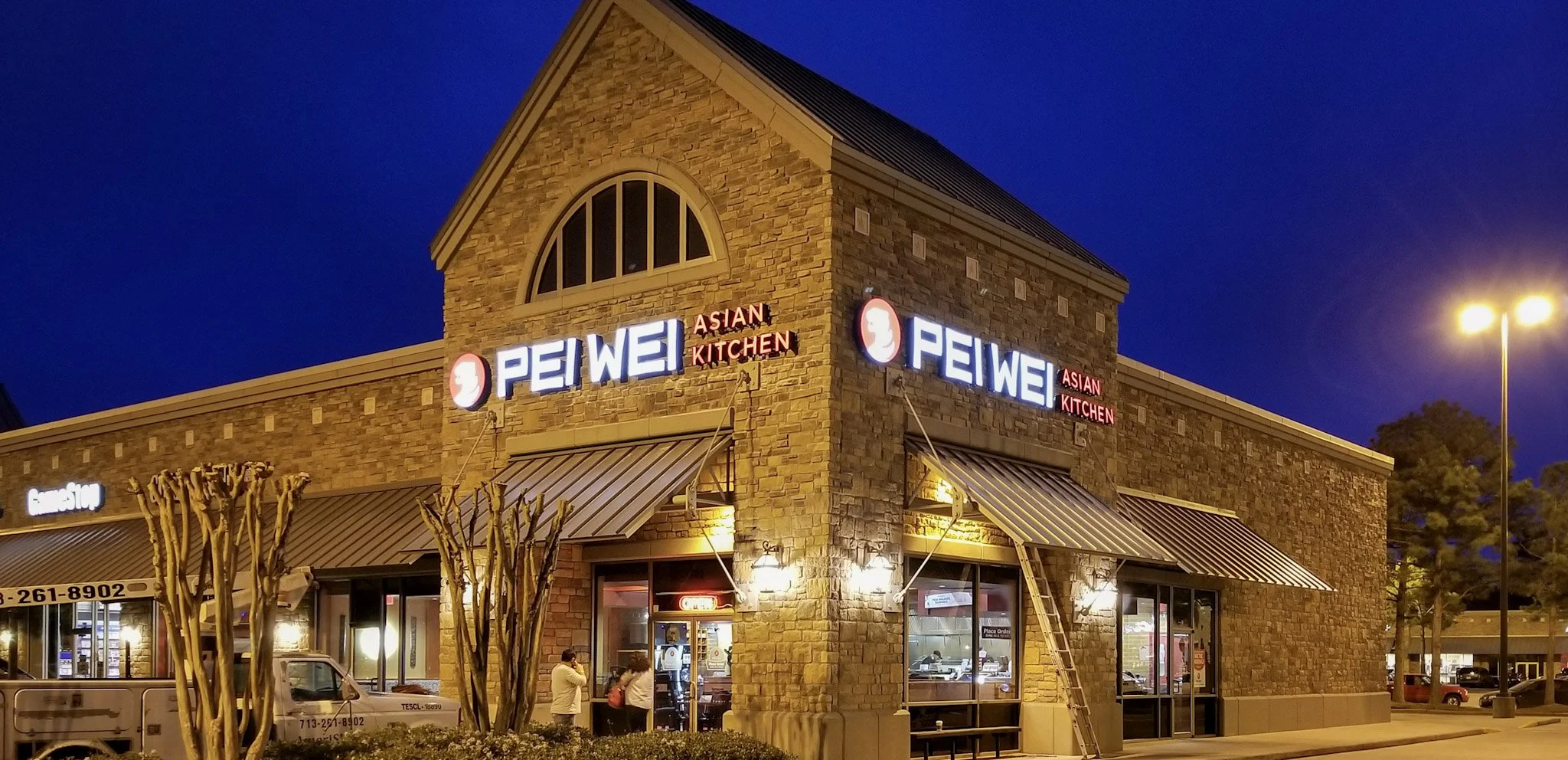

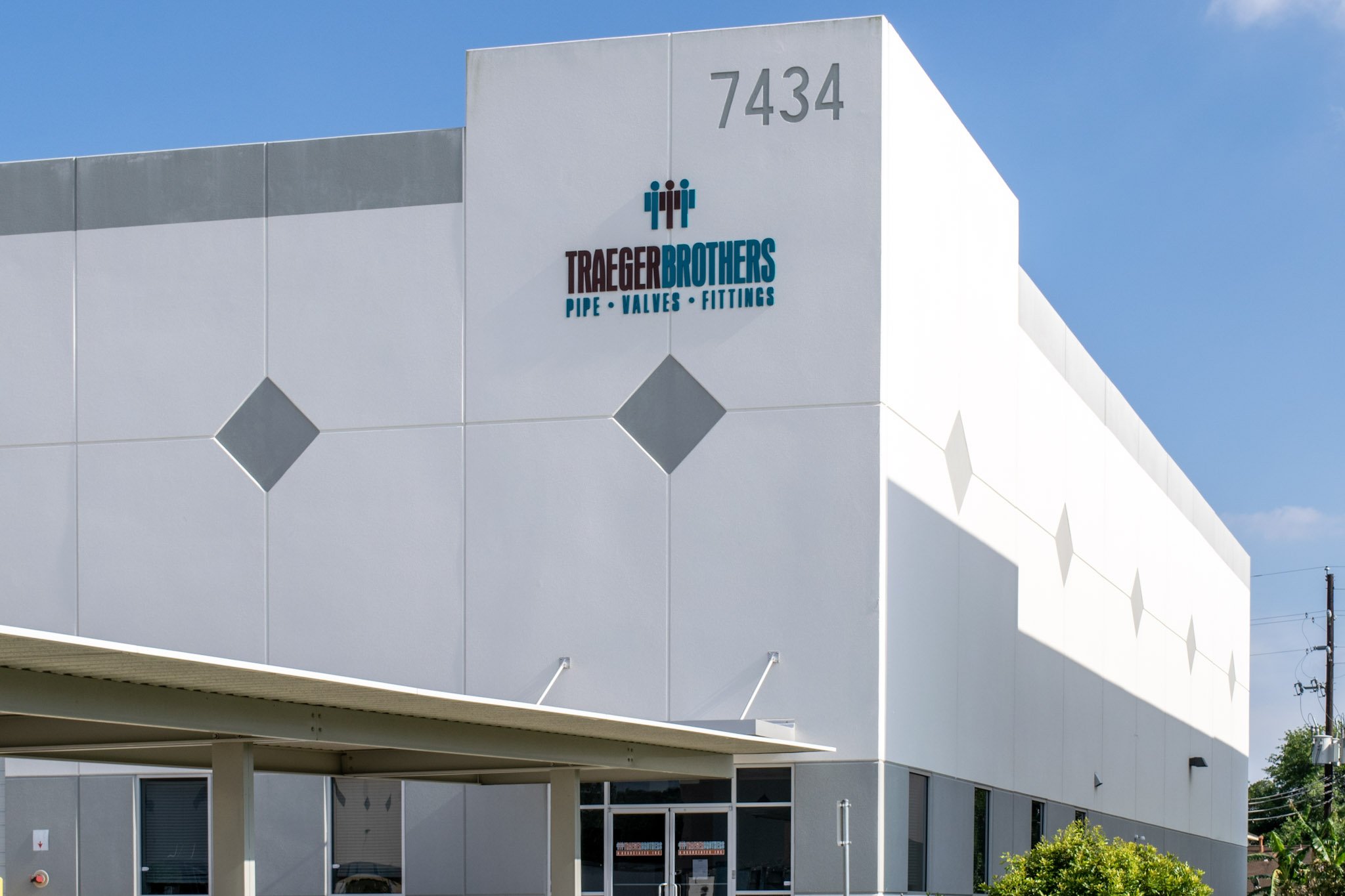







From Downtown to all across H-Town!
Saifee Signs can permit and install Monument Signs in and around the Greater Houston metroplex
Houston | Texas Medical Center | The Woodlands | Conroe | Tomball | Cypress | Katy | Richmond | Sugarland | Pasadena | Clear Lake | La Porte | Baytown | Humble | Kingwood